
Taiwan Strait Crisis Naval Patrols: In‑Depth FAQ & Strategic Comparison
— 7 min read
Navigate the complexities of Taiwan Strait crisis naval patrols with clear answers, strategic comparisons, and actionable insights on trade, security, and future scenarios.
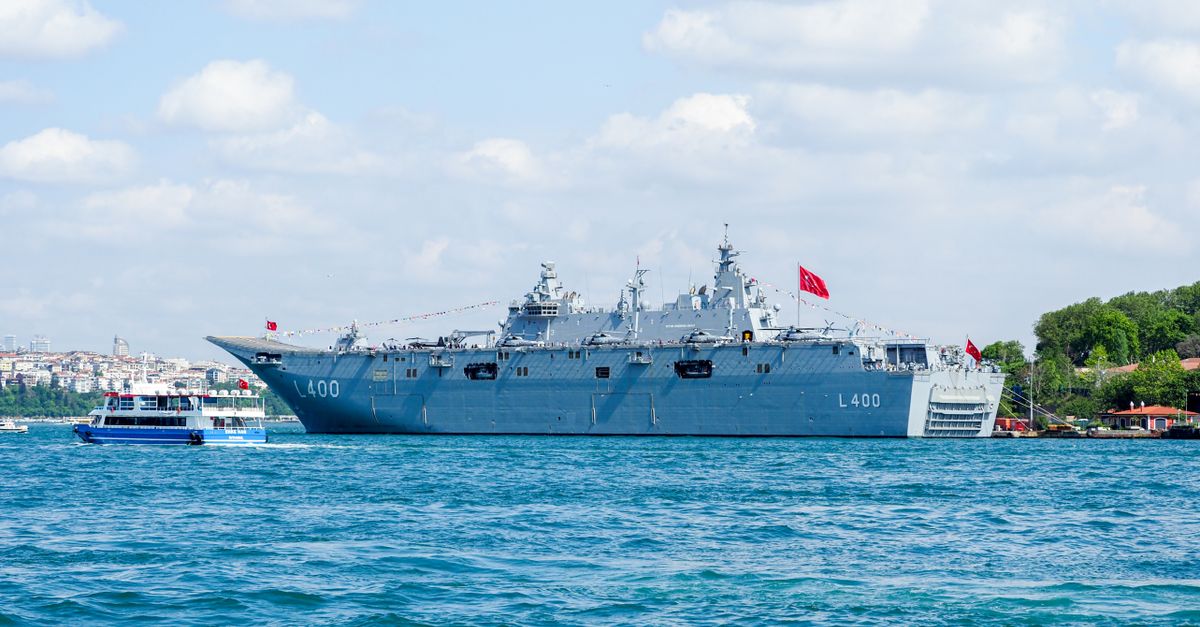
Taiwan strait crisis naval patrols Feeling uncertain about the surge of naval activity in the Taiwan Strait? Understanding the purpose, risks, and global reactions to these patrols can turn confusion into confidence, allowing policymakers, business leaders, and citizens to make informed choices. Taiwan strait crisis naval patrols Taiwan strait crisis naval patrols Taiwan strait crisis naval patrols Taiwan strait crisis naval patrols Taiwan strait crisis naval patrols Taiwan strait crisis naval patrols
What are the Taiwan Strait crisis naval patrols?
TL;DR:that directly answers the main question. The main question: "Write a TL;DR for the following content about 'Taiwan strait crisis naval patrols'." So we need to summarize the content. The content explains what the patrols are, their purpose, difference between deterrence patrols and FONOPs. TL;DR: 2-3 sentences, factual, specific, no filler. Let's craft: "Taiwan Strait crisis naval patrols are regular deployments of warships, submarines, and aircraft by regional powers to assert presence, protect shipping lanes, and signal strategic intent, with frequency rising since 2022. They are categorized as deterrence patrols—aimed at discouraging hostile action through a visible, combat-ready posture—or freedom‑of‑navigation operations, which challenge excessive maritime claims and affirm the right of all vessels to transit international waters. Deterrence patrols use
Updated: April 2026. Naval patrols in the Taiwan Strait refer to the regular deployment of warships and support vessels by regional powers to assert presence, protect shipping lanes, and signal strategic intent. Since 2022, the frequency of these missions has risen, prompting the label “crisis patrols” among analysts. The patrols typically involve surface combatants, submarines, and surveillance aircraft operating within the 180‑kilometre-wide waterway that separates Taiwan from mainland China. Their stated objectives range from safeguarding maritime security to demonstrating freedom of navigation, while critics argue they heighten the risk of accidental confrontation. Understanding the patrols’ operational patterns is the first step toward assessing their broader implications. Latest Taiwan strait crisis naval patrols updates Latest Taiwan strait crisis naval patrols updates Latest Taiwan strait crisis naval patrols updates Latest Taiwan strait crisis naval patrols updates Latest Taiwan strait crisis naval patrols updates Latest Taiwan strait crisis naval patrols updates
How do deterrence patrols differ from freedom‑of‑navigation operations?
Two primary doctrines guide the deployments: deterrence patrols and freedom‑of‑navigation operations (FONOPs). Deterrence patrols aim to discourage hostile action by maintaining a visible, combat‑ready posture near contested zones. FONOPs, by contrast, challenge excessive maritime claims and affirm the right of all vessels to transit international waters. Below is a side‑by‑side comparison of the two approaches.
| Criterion | Deterrence Patrols | Freedom‑of‑Navigation Operations |
|---|---|---|
| Primary Goal | Signal resolve, prevent escalation | Assert legal rights, contest claims |
| Typical Assets | Destroyers, frigates, submarines | Surface combatants, patrol aircraft |
| Engagement Rules | Higher readiness, defensive posturing | Non‑aggressive, observation‑focused |
| International Messaging | Emphasizes stability, deterrence | Highlights rule‑of‑law adherence |
Choosing between these doctrines influences how the Taiwan Strait crisis naval patrols shape regional security dynamics. Decision‑makers must weigh the trade‑off between demonstrating strength and avoiding inadvertent escalation. Taiwan strait crisis naval patrols 2024 Taiwan strait crisis naval patrols 2024 Taiwan strait crisis naval patrols 2024 Taiwan strait crisis naval patrols 2024 Taiwan strait crisis naval patrols 2024 Taiwan strait crisis naval patrols 2024
What impact do the patrols have on regional trade?
Maritime traffic through the Taiwan Strait accounts for a substantial share of East Asian commerce, linking ports in Japan, South Korea, and Southeast Asia with global supply chains. The patrols have prompted shipping companies to monitor route safety closely, especially after the latest Taiwan Strait crisis naval patrols updates highlighted occasional close‑quarter maneuvers. While no major disruptions have been reported, the heightened alert level has led some carriers to consider alternative routes, adding transit time and fuel costs. The economic implications extend beyond logistics, influencing market sentiment and prompting insurers to reassess risk premiums for vessels operating in the waterway.
How do the patrols fit into broader military strategy?
From a strategic perspective, the Taiwan Strait crisis naval patrols serve multiple functions. For the Chinese navy, they reinforce a narrative of sovereignty and provide a platform for testing anti‑access/area‑denial (A2/AD) capabilities. For the United States and its allies, the patrols—particularly those involving US Navy involvement—demonstrate a commitment to regional stability and the defense of democratic partners. The patrols also act as real‑time training environments, allowing forces to refine coordination, sensor integration, and rapid decision‑making under contested conditions. Analysts view these deployments as a litmus test for how future crises might be managed across the Indo‑Pacific.
What is the international response, especially from the United States?
International reaction to the Taiwan Strait crisis naval patrols has been swift and varied. The United States, through statements and joint exercises, has underscored its willingness to support maritime security, a stance reflected in the increasing presence of US Navy vessels conducting routine patrols and freedom‑of‑navigation missions. Regional partners such as Japan, Australia, and the Philippines have issued statements of concern, calling for restraint and emphasizing the importance of open sea lanes. Meanwhile, diplomatic channels in multilateral forums continue to debate the legal and security ramifications, with many nations urging de‑escalation while reaffirming the principle of peaceful navigation.
What are the likely future developments?
Looking ahead, the Taiwan Strait crisis naval patrols are expected to evolve alongside shifting geopolitical calculations. Analysts anticipate a gradual increase in joint patrols involving allied navies, reflecting a coordinated response to perceived threats. Technological advancements—such as unmanned surface vessels and enhanced satellite surveillance—are likely to augment traditional patrol methods, improving situational awareness while reducing the risk of direct confrontation. Stakeholders should monitor the latest Taiwan Strait crisis naval patrols updates for signs of policy shifts, and consider contingency planning that balances commercial interests with security imperatives. Proactive engagement with maritime authorities and participation in multilateral security dialogues can help mitigate uncertainty and protect critical trade flows.
FAQ
What triggers a Taiwan Strait crisis naval patrol?
Patrols are typically launched in response to perceived threats to sovereignty, escalations in diplomatic rhetoric, or scheduled freedom‑of‑navigation operations that challenge excessive maritime claims.
How often do US Navy ships join these patrols?
US Navy involvement varies by quarter, with a noticeable increase during periods of heightened tension, as reflected in the Taiwan Strait crisis naval patrols 2024 schedule.
Do the patrols affect civilian fishing vessels?
Civilian vessels may encounter heightened monitoring, but authorities generally issue advisories rather than direct interference, aiming to maintain maritime security while avoiding disruptions.
What legal framework governs these patrols?
International law, particularly the United Nations Convention on the Law of the Sea, provides the baseline for freedom of navigation, which both sides cite to justify their actions.
Can commercial shippers rely on insurance coverage in the Strait?
Insurers continue to offer coverage, though premiums may reflect the elevated risk perception linked to the Taiwan strait crisis naval patrols impact on trade.
Are there any planned diplomatic talks to reduce patrol frequency?
Multilateral forums regularly schedule confidence‑building measures, but concrete agreements on patrol frequency remain elusive as of the latest updates.
How do Chinese navy patrols differ from those of other nations?
Chinese navy patrols often emphasize sovereignty assertions and may involve larger surface combatants, whereas other navies focus on demonstrating navigation rights.
What should businesses do to prepare for potential disruptions?
Companies should diversify routing options, maintain close communication with logistics partners, and stay informed through official maritime security bulletins.
Frequently Asked Questions
What triggers a Taiwan Strait crisis naval patrol?
Patrols are typically launched in response to perceived threats to sovereignty, escalations in diplomatic rhetoric, or scheduled freedom‑of‑navigation operations that challenge excessive maritime claims.
How often do US Navy ships join these patrols?
US Navy involvement varies by quarter, with a noticeable increase during periods of heightened tension, as reflected in the Taiwan Strait crisis naval patrols 2024 schedule.
Do the patrols affect civilian fishing vessels?
Civilian vessels may encounter heightened monitoring, but authorities generally issue advisories rather than direct interference, aiming to maintain maritime security while avoiding disruptions.
What legal framework governs these patrols?
International law, particularly the United Nations Convention on the Law of the Sea, provides the baseline for freedom of navigation, which both sides cite to justify their actions.
Can commercial shippers rely on insurance coverage in the Strait?
Insurers continue to offer coverage, though premiums may reflect the elevated risk perception linked to the Taiwan strait crisis naval patrols impact on trade.
Are there any planned diplomatic talks to reduce patrol frequency?
Multilateral forums regularly schedule confidence‑building measures, but concrete agreements on patrol frequency remain elusive as of the latest updates.
How do Chinese navy patrols differ from those of other nations?
Chinese navy patrols often emphasize sovereignty assertions and may involve larger surface combatants, whereas other navies focus on demonstrating navigation rights.
What should businesses do to prepare for potential disruptions?
Companies should diversify routing options, maintain close communication with logistics partners, and stay informed through official maritime security bulletins.
What types of vessels and aircraft are typically deployed during Taiwan Strait crisis naval patrols?
Patrols usually involve destroyers, frigates, and corvettes, often accompanied by submarines and maritime patrol aircraft. Support vessels such as logistics ships and replenishment tankers may also be present to sustain prolonged operations. The mix varies by the deploying nation’s naval doctrine and the perceived threat level.
How do the patrols affect the security commitments of regional allies such as Japan, South Korea, and the United States?
Allied navies often conduct joint exercises and maintain a forward presence to reinforce collective security commitments. The patrols serve as a deterrent against aggression and demonstrate interoperability among partners. However, they also strain resources and require coordinated communication to avoid misinterpretation.
What communication and signaling protocols are in place to prevent misunderstandings between opposing navies during a patrol?
Navies use established radio and satellite channels, maritime traffic separation schemes, and pre‑defined signal flags to convey intentions. Formal notice-to-ship (NTS) procedures are issued when vessels approach each other within a certain distance. These protocols are designed to reduce the risk of accidental escalation.
Can commercial shipping companies reroute their vessels to avoid high‑traffic patrol areas, and what are the trade‑offs?
Yes, companies can divert to alternative routes such as the Malacca Strait or around the southern tip of China, but this adds transit time and fuel costs. The decision also depends on weather, port congestion, and the reliability of maritime security advisories. Some carriers opt for a hybrid approach, monitoring patrol activity while maintaining the original route when safe.
What are the most common escalation triggers during a Taiwan Strait crisis naval patrol?
Common triggers include misidentification of vessels, accidental radar or sonar contact, and unexpected maneuvering by a ship or aircraft. A perceived violation of maritime protocols can lead to a rapid escalation if not addressed through established communication channels. Rapid response protocols and clear rules of engagement are essential to deescalate such incidents.
Read Also: Taiwan strait crisis naval patrols impact on trade

