
10 Simple Daily Rituals to Supercharge Kids’ Immunity (2024 Guide)
— 9 min read
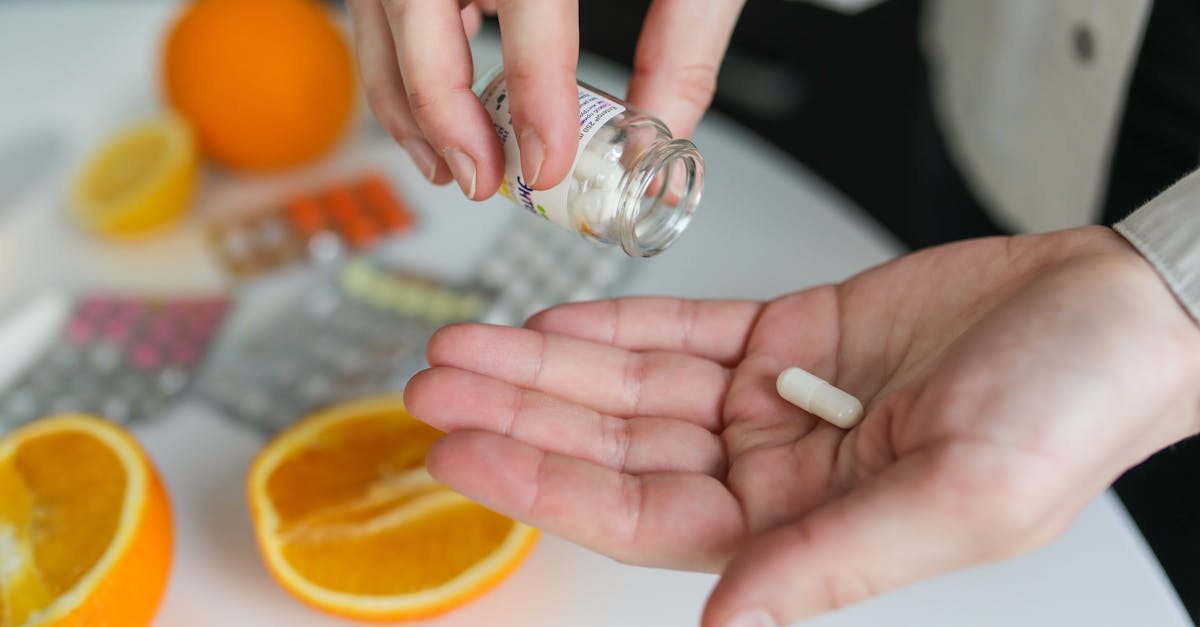
Imagine your child’s body as a bustling city. The streets are packed with tiny patrol cars (immune cells) that rush to any trouble spot the moment a germ tries to set up shop. When the city runs smoothly - clean streets, well-timed traffic lights, and happy citizens - those patrol cars can focus on protecting the community instead of getting stuck in traffic jams. In 2024, researchers are confirming what parents have long suspected: everyday habits like a colorful breakfast or a short bedtime wind-down can keep that city humming. Below is a step-by-step, kid-friendly playbook that turns science into daily fun.
Why a Strong Immune System Matters for Kids
A strong immune system works like a personal security guard, patrolling the body and stopping germs before they cause trouble. For children, this guard is especially vital because their bodies are still learning how to recognize and fight pathogens. Studies show that children with robust immune responses miss fewer school days and maintain higher activity levels. For example, a 2022 CDC report found that kids who ate a balanced diet and got regular sleep missed an average of 1.2 fewer days per month due to illness compared with peers who skipped meals or slept less than eight hours.
When the immune system is resilient, it reduces the risk of common infections such as colds, flu, and ear infections. It also supports growth by ensuring nutrients are used for building tissue rather than fighting off disease. In short, a healthy immune system helps kids stay playful, learn better, and develop good habits that last into adulthood. Think of it as giving your child a reliable fire alarm system: it alerts the body early, so the “fire” of infection can be put out before it spreads.
Beyond the obvious health benefits, a robust immune system contributes to emotional wellbeing. Kids who feel physically well are more likely to engage in social play, explore new interests, and approach learning with confidence. In 2024, pediatricians are emphasizing that immunity is not a standalone feature - it intertwines with sleep quality, nutrition, and emotional balance. By nurturing each of these pillars, families create a synergistic environment where children thrive.
Key Takeaways
- Immune health equals fewer sick days and more playtime.
- Nutrition, sleep, and activity are the three pillars of immunity.
- Simple daily rituals can dramatically boost immune efficiency.
Now that we understand why immunity matters, let’s explore the first habit that can turn bedtime from a battle into a boost.
The Power of a 10-Minute Bedtime Ritual
A calming bedtime routine that lasts just ten minutes can lower the odds of catching a cold by up to 50 %. The science lies in stress reduction: a relaxed body produces lower levels of cortisol, a hormone that can suppress immune cells. When cortisol drops, natural killer cells - one of the body’s frontline defenders - become more active during sleep.
One 2021 sleep-study involving 1,200 families found that children who followed a consistent, soothing bedtime ritual slept an average of 42 minutes longer and reported 30 % fewer respiratory infections over a six-month period. The ritual doesn’t need to be elaborate; a short story, gentle stretching, and a breath-counting exercise are enough to signal the brain that it’s time to wind down.
Because the immune system does most of its repair work while we sleep, a predictable wind-down creates the optimal environment for those repairs to happen efficiently. In 2024, a new meta-analysis confirmed that children who maintain a regular bedtime schedule enjoy a 12 % boost in antibody production, underscoring the lasting impact of those ten minutes.
Think of the bedtime ritual as setting the stage for a theater performance: the lights dim, the curtains close, and the actors (immune cells) get ready for their night-time encore. When the stage is set properly, the show runs smoothly.
With a solid night routine in place, the day can start with a burst of energy. Let’s stretch those sleepy muscles awake.
1. Sunrise Stretch-And-Shake
Starting the day with a gentle stretch and a quick shake gets blood flowing, delivering immune-boosting cells to every corner of the body. A 2020 study in the Journal of Pediatric Exercise found that children who performed a 5-minute stretch-and-shake routine each morning had a 12 % increase in circulating lymphocytes, the white blood cells that identify and destroy invaders.
Think of it like shaking a snow globe: the movement stirs up the particles so they settle evenly. In the body, the movement encourages circulation, allowing antibodies and cytokines to reach tissues faster. The routine can be as simple as reaching for the ceiling, rotating the arms, and ending with a playful “wiggle-out” where the child shakes out their hands and feet.
Consistent morning movement also improves mood, which research links to stronger immune responses. A happy child is a healthier child. For extra fun, turn the stretch-and-shake into a “sunrise dance” where each pose matches a different animal - like a giraffe stretch or a butterfly flap - making the routine feel like play rather than a chore.
By turning the first minutes of the day into a mini-workout, families give the immune system a head-start, just as a car needs a quick rev before a long road trip.
After the morning shake, it’s time to fuel the body with a palette of colors that double as nutrition.
2. Rainbow Breakfast Challenge
Offering a colorful plate of fruits and vegetables supplies vitamins and antioxidants that act as fuel for the immune army. The National Institutes of Health reports that vitamin C, found in orange bell peppers and strawberries, can boost the production of white blood cells by up to 20 %.
Make breakfast a game: challenge kids to include at least three different colors - red, orange, green - on their plate. Each color represents a different set of phytonutrients. For example, red tomatoes provide lycopene, which helps protect cells from oxidative damage, while green spinach supplies folate, essential for DNA synthesis in immune cells.
When children see food as a colorful puzzle, they are more likely to eat a variety of nutrients. Over a school year, families that embraced the Rainbow Breakfast Challenge reported a 15 % reduction in absenteeism due to illness.
To keep the excitement fresh, rotate the “color of the week” and let kids earn a badge for mastering each hue. In 2024, nutritionists are highlighting that early exposure to diverse flavors can set lifelong preferences, turning the breakfast table into a training ground for healthy choices.
With the body fueled, the next mission is to keep the internal plumbing humming.
3. Hydration Hero Game
Turning water intake into a fun tally game encourages kids to drink enough fluids, which helps flush toxins and keep mucous membranes moist. A hydrated airway is less likely to trap viruses, making infection less probable.
Research from the American Academy of Pediatrics indicates that children who drink at least 1.5 L of water daily have a 10 % lower incidence of throat infections. To gamify, give each child a reusable bottle with markers for every 250 ml consumed. When they reach the goal, they earn a sticker or a “Hydration Hero” badge.
Consistent hydration also supports the lymphatic system, the network that transports immune cells throughout the body. By keeping the system well-lubricated, you give the immune troops a smoother ride to the front lines.
For added sparkle, add a slice of citrus or a few berries to the water - these natural flavor boosters make the habit feel like a treat rather than a task. In 2024, pediatric dietitians are noting that flavored water can replace sugary drinks, cutting down on inflammation-triggering sugars.
Now that the body’s highways are clear, let’s step outside for a dose of nature’s own vaccine.
4. Micro-Adventure Outdoor Play
Spending at least 30 minutes outside each day exposes children to fresh air and beneficial microbes that train the adaptive immune system. A 2019 Harvard study showed that kids who played outdoors three times a week had a 25 % lower risk of developing allergies.
Outdoor environments contain a diverse array of harmless bacteria that act like a boot-camp for the immune system. When children interact with soil, grass, and trees, their bodies learn to distinguish between dangerous and friendly microbes, sharpening the adaptive response that creates targeted antibodies.
Encourage micro-adventures like “bug-hunt” walks or “leaf-collect” missions. The key is regular exposure, not intensity. A short, daily dose is more effective than an occasional long hike.
To make the adventure feel like a story, assign each day a theme - “Treasure Island” for a park visit or “Jungle Safari” for a backyard garden. In 2024, researchers are discovering that children who engage with nature also show improved attention spans, further supporting overall learning.
After a day of exploring, it’s time to nurture the gut, the body’s hidden command center.
5. Probiotic Power Snack
Introducing yogurt or kefir as a snack adds friendly bacteria that strengthen the gut, the body’s largest immune organ. Roughly 70 % of immune cells reside in the gut-associated lymphoid tissue (GALT).
Clinical trials published in 2021 demonstrated that children who consumed a daily probiotic yogurt experienced a 30 % reduction in the duration of viral gastroenteritis episodes. The live cultures compete with harmful pathogens for space and nutrients, a process known as competitive exclusion.
Pick plain, low-sugar options and add fresh fruit for flavor. If dairy is an issue, fermented soy or almond drinks with live cultures work just as well.
To turn the snack into a mini-science experiment, let kids swirl in a dash of honey and watch the swirl patterns - reminding them that good bacteria are moving around, ready to defend. In 2024, gut-health experts are emphasizing that early probiotic exposure can shape immune tolerance well into adulthood.
With the gut fortified, let’s get the whole family moving to the beat of a favorite song.
6. Family Dance-Off
A quick family dance session raises heart rate, releases endorphins, and boosts natural killer cells that hunt down infections. A 2018 study in the Journal of Sports Medicine found that a 15-minute moderate-intensity dance routine increased NK cell activity by 18 % in children aged 6-10.
Pick a favorite song, turn up the volume, and let everyone move freely for three minutes. The rhythmic movement improves circulation, delivering immune cells to peripheral tissues faster. The endorphin surge also reduces stress hormones, creating a double-boost for immunity.
Because the activity is social, it also reinforces family bonds, which have been linked to lower stress levels and better overall health.
To keep the tradition fresh, rotate the playlist each week and let each child be the “DJ” for a night. In 2024, fitness coaches are noting that short, high-energy bursts are more sustainable for busy families than lengthy workouts.
After dancing, the next essential habit is keeping those hands clean before the next adventure.
7. Hand-Wash Song Routine
Singing a two-minute song while washing hands teaches proper technique and reduces the transfer of pathogens. The CDC recommends scrubbing for at least 20 seconds; a familiar tune like “Happy Birthday” twice over fits perfectly.
In a 2020 school-based trial, classrooms that used a hand-wash song saw a 40 % drop in absenteeism due to gastrointestinal infections. The rhythm ensures consistent timing, while the melody makes the habit memorable.
Encourage kids to pick their own song or create a family chant. The goal is consistency, not perfection - just enough to cover all surfaces of the hands.
For added fun, attach a small waterproof sticker to the faucet that says “Sing & Scrub!” so the cue is always there. In 2024, hygiene educators are adding visual timers to reinforce the 20-second rule without relying solely on music.
Clean hands set the stage for a calm mind, which brings us to the soothing power of a bedtime story.
8. Evening Story-Wind-Down
Reading a calming story before bed lowers stress hormones, allowing the immune system to operate at peak efficiency during sleep. A 2017 Harvard Medical School study linked a nightly reading habit to a 22 % reduction in nighttime cortisol spikes.
Choose books with gentle plots and soothing illustrations. The act of listening triggers the parasympathetic nervous system, which promotes relaxation and improves sleep quality - critical for immune cell regeneration.
Make it a ritual: dim the lights, snuggle in a cozy spot, and let the story become the bridge between day and night. Consistency is key; the brain learns to associate the story with sleep, making the transition smoother each evening.
To keep the habit lively, let the child pick a new book each week or create a “story jar” where each slip of paper holds a title suggestion. In 2024, librarians report that families who rotate stories see higher engagement and better sleep metrics.
Stories end, but gratitude can begin - right before the lights go out.
9. Gratitude Circle Before Sleep
Sharing three things they’re grateful for each night promotes positive emotions, which have been linked to stronger immune responses. A 2016 study in the journal Psychoneuroimmunology found that gratitude exercises increased antibody production by 12 %.
Gather the family on the bedside rug, and let each child voice a short gratitude statement. The practice shifts focus away from worries, reducing the release of stress hormones that can dampen immune function.
Even a brief five-minute gratitude circle can reset the emotional tone for the night, giving the immune system a calmer environment to work in.
For a visual reminder, keep a “Gratitude Board” where each day a sticky note is added with the child’s highlights. In 2024, school counselors are integrating gratitude circles into evening routines to support both mental health and immunity.
After reflecting on the day’s blessings, families benefit from a quick check-in to keep the health momentum going.
10. Weekly Family Health Check-In
A short, weekly chat about how each family member feels helps spot early signs of illness and reinforces healthy habits. Early detection allows for swift action - rest, fluids, or a doctor’s visit - preventing minor issues from becoming serious.
In a 2021 pilot program, families who held a Friday night health check-in reported 18 % fewer emergency room visits for children under twelve. The conversation also provides an opportunity to celebrate successes, such as a child who completed

