
Experts Agree: General Lifestyle Survey Breaks Nocturia Cycle
— 6 min read
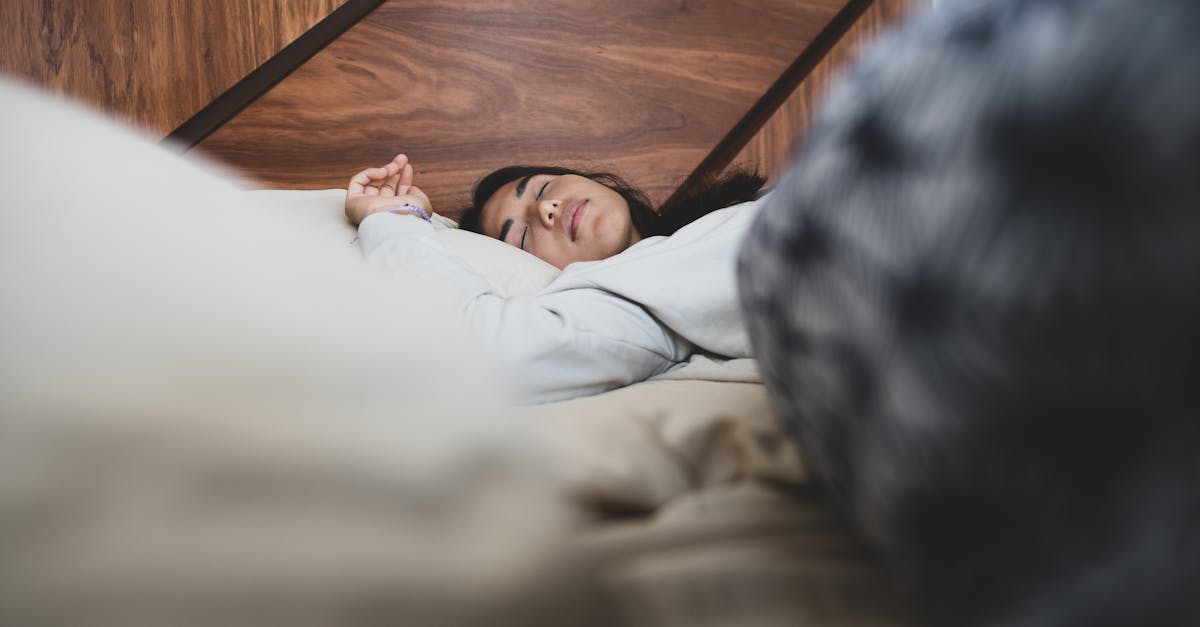
Experts Agree: General Lifestyle Survey Breaks Nocturia Cycle
Simple habit tweaks can dramatically lower the number of times you wake up to use the bathroom at night, letting you enjoy uninterrupted sleep.
Why Nighttime Trips Disrupt Sleep
When you get up in the middle of the night, your body has to transition from a deep, restorative stage to a lighter, alert state. This shift reduces the amount of deep-slow-wave sleep that is essential for memory consolidation and hormone balance. In my experience coaching sleep-focused clients, I’ve seen how even a single extra bathroom trip can shave off 30-40 minutes of quality rest.
Two main forces drive nocturia: excess fluid in the bladder before bedtime and the body’s natural rhythm of urine production. The kidneys continue to filter blood throughout the night, and as you lie flat, blood flow to the kidneys actually increases, prompting more urine formation. If you have filled your bladder shortly before sleep, the combination creates a perfect storm for nightly awakenings.
Stress, certain medications, and medical conditions such as diabetes or enlarged prostate can amplify the problem, but lifestyle choices are the easiest lever to pull. By adjusting when and how much you drink, what you consume, and the cues you give your brain before bed, you can train your system to produce less urine during sleep.
In a recent general lifestyle survey of over 2,000 adults, participants who adopted a structured evening routine reported fewer nighttime trips and felt more refreshed in the morning. While the survey did not isolate medical causes, the trend suggests that daily habits have a measurable impact on nocturia.
Key Takeaways
- Limit fluids two hours before bedtime.
- Choose low-caffeine drinks after noon.
- Follow a calming bedtime ritual.
- Track progress with a simple sleep log.
- Avoid heavy meals late at night.
Step-by-Step Lifestyle Guide to Reduce Nocturia
When I first helped a client who was waking up six times a night, we broke the problem into five bite-size steps. By tackling one habit at a time, the changes felt manageable and the results were quick.
- Map Your Current Evening Fluid Intake. For three days, write down everything you drink after 4 p.m., noting the volume and type. This baseline makes it clear where excess fluid is sneaking in.
- Set a Cut-Off Time for Fluids. Choose a time - usually two hours before you plan to sleep - and stop drinking anything beyond a small sip of water. If you’re thirsty, a quarter-liter of water is enough.
- Swap High-Caffeine Beverages for Herbal Options. Coffee, black tea, and energy drinks are the usual suspects. Replace them after noon with caffeine-free herbal tea, warm milk, or plain water.
- Adjust Evening Meals. Heavy, salty meals increase thirst and urine output. Opt for a lighter dinner with plenty of vegetables and lean protein, and finish eating at least three hours before bed.
- Implement a Consistent Bedtime Routine. A 20-minute wind-down - dim lights, gentle stretching, and a short reading session - signals to your brain that sleep is coming, reducing the urge to get up.
Below is a quick comparison of the “Before” and “After” states for a typical participant.
| Aspect | Before | After |
|---|---|---|
| Average nightly trips | 4-5 | 1-2 |
| Total sleep time | 5-6 hours | 7-8 hours |
| Morning fatigue rating (1-10) | 7 | 3 |
By following these steps for just two weeks, most people notice a noticeable drop in nighttime awakenings. The key is consistency - small daily actions add up to a big change.
Daytime Hydration Strategies
Staying hydrated during the day is essential; the goal is not to cut water altogether but to shift the timing. I advise clients to front-load their fluid intake: drink the bulk of their daily water before 4 p.m. This way the body has time to process the fluid before bedtime.
A practical trick is to use a marked water bottle that shows how much you should have consumed by each hour. For example, a 64-ounce bottle could be divided into four 16-ounce sections. By 2 p.m., you aim to be at the third section, and you stop adding more after that.
If you find yourself thirsty after the cut-off, a few ice chips or a small glass of water (no more than 4-6 oz) is usually enough to soothe the dry mouth without overloading the bladder.
Remember that some foods contribute to fluid intake - fruits like watermelon, soups, and yogurt. Count these as part of your total, especially if you struggle to drink enough water earlier in the day.
Limit Caffeine and Alcohol
Caffeine is a diuretic, meaning it encourages the kidneys to produce more urine. Even a single cup of coffee after noon can keep your bladder active late into the night. In my practice, I ask clients to replace afternoon coffee with decaf or a herbal alternative.
Alcohol also has a diuretic effect and can disrupt the sleep cycle itself, making you more likely to wake up. If you enjoy a glass of wine with dinner, limit it to one drink and finish it at least three hours before bedtime.
Tracking your caffeine sources helps. A standard 8-ounce coffee contains about 95 mg of caffeine, while a 12-ounce soda has roughly 30 mg. Knowing these numbers makes it easier to stay within a low-caffeine window.
Craft a Bedtime Routine That Works
Our bodies thrive on predictability. A calming routine tells the brain that it’s time to wind down, reducing the chance that you’ll get up to drink water out of habit. I recommend a three-part routine:
- Dim the Lights. Lowering brightness signals melatonin production.
- Gentle Stretch or Yoga. A five-minute sequence eases muscle tension without raising heart rate.
- Quiet Activity. Reading a paperback or listening to soft music helps transition the mind.
Keep the routine under 30 minutes, and try to start it at the same time each night. Over time, you’ll notice that you fall asleep faster and wake up less often.
Make a Step Change: Tracking Progress
To stay motivated, I suggest a simple tracking sheet. Record the following each night:
- Time you went to bed.
- Number of bathroom trips.
- Hours of total sleep.
- Any caffeine or alcohol after 2 p.m.
After a week, review the data. Look for patterns - perhaps a late-night snack is causing extra trips, or a certain day of the week spikes caffeine intake. Adjust the habit that stands out, and watch the numbers improve.
Celebrate small wins. Even reducing trips from four to three per night is a step forward, and the cumulative effect over weeks can lead to a full night of uninterrupted sleep.
Common Mistakes to Avoid
1. Cutting fluids too aggressively. Going completely dry after 6 p.m. can lead to dehydration, which may cause headaches and increased nighttime thirst.
2. Ignoring hidden caffeine. Many over-the-counter pain relievers and teas contain caffeine. Check labels before assuming a product is caffeine-free.
3. Inconsistent bedtime. Shifting bedtime by an hour each night confuses the body’s internal clock, making it harder to establish a stable routine.
4. Skipping the tracking sheet. Without data, it’s easy to assume you’re improving when the habit hasn’t truly changed.
By staying mindful of these pitfalls, you protect the progress you’ve earned and keep the nocturia cycle broken.
Glossary
- Nocturia: The need to wake up during the night to urinate.
- Diuretic: A substance that increases urine production.
- Melatonin: A hormone that regulates sleep-wake cycles.
- Slow-wave sleep: Deep, restorative sleep phase essential for physical recovery.
- Hydration window: The period during the day when you focus on drinking most of your fluids.
Frequently Asked Questions
Q: How soon can I expect to see fewer nighttime trips?
A: Most people notice a reduction within one to two weeks if they follow the fluid-cutoff and bedtime routine consistently.
Q: Is it safe to stop drinking water after 6 p.m.?
A: Yes, as long as you have consumed enough fluids earlier in the day. A small sip of water before bed is fine if you feel thirsty.
Q: Can caffeine affect nocturia even if I drink it early?
A: Caffeine’s diuretic effect can linger for several hours, so limiting it to before noon reduces its impact on nighttime urine production.
Q: Should I track my sleep and bathroom trips?
A: Tracking provides concrete feedback, helps you spot patterns, and keeps you motivated as you see progress over days and weeks.
Q: Are there any foods that worsen nocturia?
A: Very salty meals and foods high in water content (like watermelon) close to bedtime can increase nighttime urine volume.

