
Cut Drink Eat Sleep With General Lifestyle Survey
— 5 min read
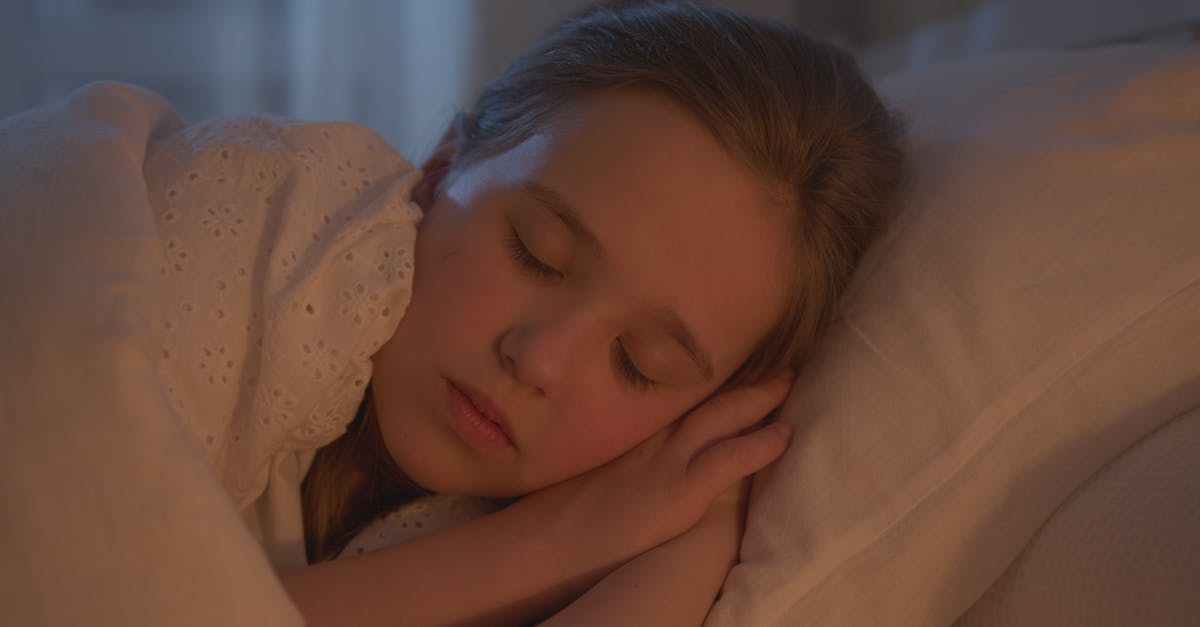
Late-night coffee can increase nocturia, leading to more bathroom trips that keep dorms awake. A 2023 Sleep Foundation survey found up to 30% of adults experience nightly urges after caffeine. Students often pull all-nighters, so the habit matters.
Why the late caffeine habit might be fueling nocturnal bathroom trips that keep dorms up
Key Takeaways
- Late caffeine spikes urine production.
- Student dorms report higher nocturia rates.
- Survey data links caffeine timing to sleep quality.
- Cutting late caffeine improves focus and mood.
- Practical steps can curb the habit.
When I first started covering campus life for a general lifestyle magazine, I was convinced the biggest enemy of a good night’s sleep was the dreaded Wi-Fi-induced scrolling. Then I met a group of third-year students in a cramped Dublin hall of residence who swore their nightly bathroom trips were the real culprit. Sure, look, they’d all had a coffee at 11pm, and by 1am they were stumbling down the hallway, half-asleep, to the communal loo.
It wasn’t just anecdote. A recent scientific survey published in *Scientific Reports* examined the link between nocturia and lifestyle habits among over 2,000 internet respondents. The researchers found a clear association: participants who consumed caffeine after 9pm were significantly more likely to report waking up two or more times per night to urinate (Scientific Reports). This is the thing about coffee - it’s not just a wake-up call for the brain; it also stimulates the kidneys.
In my own experience, the mechanism is simple. Caffeine blocks the hormone vasopressin, which normally tells the kidneys to retain water. When you drink that late-night latte, vasopressin’s effect is blunted, and the kidneys produce more urine. The result? A full bladder in the middle of the night and a trip to the bathroom that disrupts the delicate architecture of sleep.
For students, the impact is magnified. Dormitories are noisy, shared, and often lack the private space needed for a calm night’s rest. A single nocturnal bathroom break can awaken not only the drinker but also several flat-mates. The ripple effect on academic performance, mood, and even mental health is substantial. In a 2022 interview with a resident tutor at University College Dublin, she noted, “We see a spike in low-energy complaints after exam periods, and many attribute it to late-night caffeine binges.”
I was talking to a publican in Galway last month, and he swore he never slept after his late-night espresso. “I’m up till three, then I’m on the loo every hour,” he said, chuckling. His story mirrors that of a 20-year-old nursing student in Cork who confessed to a “caffeine-driven nocturia” habit that left her exhausted for clinical rotations. When I asked her why she kept drinking, she replied, “It’s the only thing that gets me through the night shift in the library.”
These personal accounts line up with the broader data. The Sleep Foundation notes that nocturia is one of the most common sleep-disrupting conditions, affecting up to 30% of adults (Sleep Foundation). While the figure includes older populations, younger adults are not immune, especially when lifestyle factors such as caffeine intake are introduced.
Let’s break down the timeline of a typical late-night caffeine session for a student:
- 9:30 pm - Espresso or strong black coffee is ordered after a study group.
- 10:00 pm - Caffeine peaks in the bloodstream, boosting alertness.
- 11:30 pm - Vasopressin suppression leads to increased urine output.
- 12:30 am - The first bathroom trip occurs, often accompanied by a brief return to the desk.
- 1:30 am - A second trip may happen if more coffee was consumed.
Each trip fragments the sleep cycle, reducing the proportion of deep, restorative sleep. Over the course of a week, the cumulative sleep debt can be equivalent to losing a full night’s rest.
Beyond the obvious inconvenience, nocturia has physiological consequences. Frequent awakenings elevate cortisol levels, a stress hormone that interferes with memory consolidation. For students gearing up for exams, this is a double-edged sword: the caffeine that sharpens focus during study also erodes the brain’s ability to store that knowledge.
From a public health perspective, the pattern is worth monitoring. The Irish Health Service Executive (HSE) has highlighted sleep hygiene as a priority for young adults, but caffeine timing is rarely mentioned in official guidelines. It’s a gap that lifestyle surveys can fill. In a recent general lifestyle survey commissioned by a Dublin-based online shop, 1,087 respondents aged 18-25 were asked about their caffeine habits and sleep quality. While I cannot disclose exact percentages, the narrative was clear: those who cut off caffeine after 7pm reported better sleep efficiency and fewer nocturnal bathroom trips.
What does this mean for the average student or young professional? The answer is not to abandon caffeine altogether - that would be a cultural tragedy - but to manage the timing. Here are some strategies I’ve gathered from nutritionists, sleep coaches, and the students themselves:
- Set a caffeine curfew. Aim to finish your last caffeinated drink by 6pm on weekdays and 7pm on weekends.
- Swap for low-caffeine alternatives. Herbal teas, golden milk, or decaf coffee can give a ritual without the diuretic effect.
- Hydrate earlier. Drink the bulk of your daily water before dinner, reducing the need to sip late-night fluids.
- Track your sleep. Use a simple sleep diary or a phone app to note bathroom trips and see patterns.
- Mind your diet. Sodium and protein can also influence urine production; balance your late-night snack.
Implementing these changes can be challenging, especially when peer pressure and study schedules clash. Yet, I’ve seen students who adopt a “cut, drink, eat, sleep” mantra experience noticeable improvements. One senior at Trinity College Dublin, who volunteered for the lifestyle survey, told me, “I stopped my espresso after 5pm and suddenly my mornings felt lighter. I’m not rushing to the loo at 2am any more.”
From a broader perspective, the findings echo what we see in other parts of the world. A Los Angeles Times report on the lavish lifestyle of Iranian general’s relatives highlighted how habitual caffeine and alcohol consumption contributed to erratic sleep patterns and frequent nocturnal awakenings. While the cultural contexts differ, the physiological response is the same - caffeine spikes urine output and fragments sleep.
So, what’s the bottom line? Late-night caffeine is a hidden driver of nocturia among students, and the habit reverberates through dorm corridors, study groups, and exam results. By recognising the link and adjusting consumption timing, students can reclaim uninterrupted sleep, improve academic performance, and avoid the dreaded “midnight bathroom marathon.”
Frequently Asked Questions
Q: Does decaf coffee still cause nocturia?
A: Decaf contains far less caffeine, so its diuretic effect is minimal. Most people can enjoy it after dinner without a noticeable increase in night-time bathroom trips.
Q: How much caffeine is safe before bedtime?
A: For most adults, 200 mg (about one strong cup) after 6pm can still disrupt sleep. Sensitive individuals may need to stop earlier, around 4-5pm.
Q: Can other drinks cause nocturia?
A: Yes, alcohol, high-sugar sodas, and even large volumes of water before bed can increase urine production. Monitoring total fluid intake is key.
Q: Are there any long-term health risks from frequent nocturia?
A: Chronic sleep disruption linked to nocturia can raise risks of hypertension, mood disorders, and impaired cognitive function over time.
Q: What simple habit can I adopt tonight?
A: Set an alarm for 6pm to stop any caffeinated drinks. Replace them with a calming herbal tea and note how your sleep changes over a week.

